Kids Head Stick Figures Line Art Review
As a designer who spends more time than I care to admit staring at stitch density charts and testing thread tensions, I approach every new machine embroidery design with a healthy dose of skepticism. We all know the drill: a file looks perfect in digital mockups but turns into a tangled mess on actual fabric. That is exactly why I decided to put Kids Head Stick Figures Line Art through its paces before recommending it for any commercial or personal project. This set isn’t just another generic clip-art dump; it is a carefully curated collection that understands the nuances of digitizing for textiles.
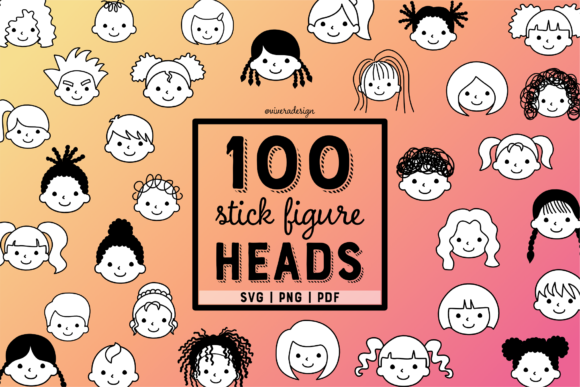
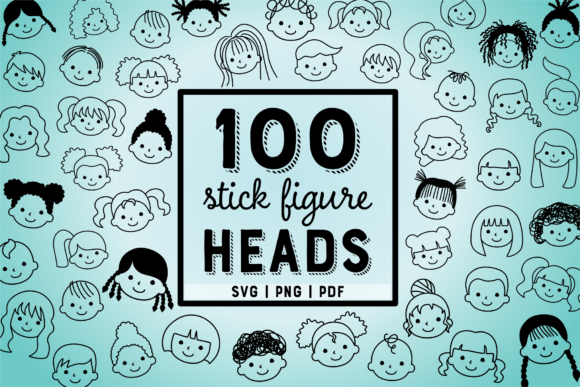
The first thing you notice about this product is its versatility. It arrives as a comprehensive package containing 100 kids heads in various formats, including layered SVG and PDF files, along with transparent background PNGs. For those of us working in the digital space, having these design assets available in multiple formats means we can adapt quickly whether we are pushing designs directly to an embroidery machine or preparing printable mockups for an Etsy listing. The inclusion of 15 accessories—such as headbands, flowers, unicorn horns, bows, eyeglasses, and freckles—adds a layer of customization that is invaluable for modern craft businesses.
Visual Personality and Mood
When evaluating any piece of art for embroidery, the mood is paramount. Kids Head Stick Figures Line Art exudes a playful, minimalist energy. The line work is clean and consistent, which is crucial because embroidery machines translate lines into stitches. If the original vector has jagged or inconsistent weights, the final stitched result will look messy. These figures strike a balance between simple and expressive. They feel modern enough for a trendy boutique brand yet nostalgic enough to appeal to parents looking for sentimental keepsakes.
This aesthetic makes it incredibly easy to integrate into broader collections. Whether you are building a nursery decor line or creating a series of personalized gifts, the stick figure style acts as a neutral canvas. It doesn’t overpower other elements like text or logos, allowing your branding to shine while still providing a charming focal point. The transparency of the PNG versions also ensures that when you place them on colored backgrounds during the design phase, you aren’t fighting against unwanted white boxes or clipping paths.
Real-World Application Scenarios
To truly understand the value of this design, let’s look at how it performs in real-life scenarios. Imagine you are preparing a batch of custom embroidered tote bags for a local craft fair. You want something that appeals to both children and adults. Using the base head shapes from this set, combined with different accessory layers, you can create unique variations without needing to digitize each one from scratch. One customer might want a head with a flower crown for a spring-themed bag, while another might prefer the same base with glasses for a "smart kid" vibe. This modularity saves hours of production time.
Another strong use case is custom apparel. Think about sweatshirts or t-shirts for family matching sets. The simplicity of the line art works beautifully on larger garment areas where intricate details might get lost. Similarly, for baby embroidery, such as onesies or bibs, the soft, rounded lines of the stick figures are gentle and appropriate. The design translates well to smaller hoop sizes, making it ideal for delicate items where large, dense fills would be too heavy or uncomfortable against skin.
I also see significant potential in the realm of embroidered patches. Because the design relies on clear outlines rather than complex shading, it stitches cleanly even at smaller scales. This makes it a fantastic candidate for iron-on patches that can be added to denim jackets, backpacks, or hats. The ability to mix and match accessories allows you to offer a wide variety of patch options from a single file set, increasing the perceived value for your customers.
Technical Considerations and Stitching Clarity
While the visual appeal is high, we must address the technical execution. When converting these digital embroidery files into stitched reality, the type of stitch used matters immensely. For the main outlines, a satin stitch or a tight running stitch will provide the crisp definition seen in the digital preview. However, designers need to be mindful of stitch density. If the digitizer sets the density too high, the thin lines may become thick blobs of thread, losing their elegant character. Conversely, if it is too sparse, the fabric may show through, especially on lighter threads.
The choice of thread colors plays a critical role here. Black or dark navy thread on light cotton provides the highest contrast and best readability. On darker fabrics, you will need to use a cut-away stabilizer to prevent puckering and ensure the stitches sit flat. Testing on scrap fabric is non-negotiable. I always recommend checking the design in black and white mockups first to ensure the silhouette remains distinct regardless of color choices. This step helps identify if any small details, like the corners of eyeglasses or the tips of bows, might merge together during stitching.
Where to Use Carefully
There are specific contexts where Kids Head Stick Figures Line Art requires extra caution. Avoid using this design on highly textured fabrics like chunky knits or fleece unless you have extensive experience stabilizing difficult materials. The texture can obscure the fine lines, resulting in a muddy appearance. Similarly, stretchy fabrics like spandex blends require careful hooping and potentially a tear-away stabilizer to maintain the integrity of the shape, as stretching can distort the circular nature of the heads.
Curved surfaces, such as baseball caps, present another challenge. While the design itself is round, placing it on a curved brim or front panel requires precise placement. If the curve is too extreme, the top or bottom of the head may appear distorted. In these cases, consider using a smaller hoop size and ensuring the cap is properly tensioned. Also, be wary of products that undergo frequent washing, such as kitchen towels or aprons. Over time, the thin lines may fray if not properly finished, so reinforcing the edges with a slight border stitch can extend the lifespan of the finished product.
Impact on Brand and Customer Trust
From a business perspective, the quality of your embroidery directly impacts customer trust. A poorly stitched design can make a professional-looking item appear cheap. By using a well-structured design like this, you signal attention to detail. Customers appreciate consistency, and the uniformity of the 100 heads in this set helps maintain a cohesive look across your entire shop. Whether you are selling a single handmade product or scaling up for a craft business, having reliable, versatile designs reduces the risk of errors and returns.
Furthermore, the ability to personalize these figures enhances customer engagement. Allowing buyers to choose accessories creates a sense of ownership over the final item. This interactivity is particularly effective for holiday embroidery projects, where personalized names or traits add emotional value. For Etsy sellers, this level of customization can be a key differentiator in a crowded marketplace.
Final Designer Notes
Before integrating Kids Head Stick Figures Line Art into your workflow, take the time to review the licensing terms. Confirm whether the file is suitable for both personal and commercial projects, especially if you plan to sell the finished product or include the digital embroidery file in your own bundles. Check the recommended hoop sizes and ensure they align with your equipment capabilities. Inspect the small details closely, particularly around the accessories, to ensure they digitize cleanly.
Ultimately, this set offers excellent value for designers looking to expand their offerings in the children’s and lifestyle niches. Its clean aesthetic, modular structure, and broad applicability make it a practical addition to any library of graphics and illustrations. By approaching it with the right technical preparation, you can create beautiful, marketable embroidery projects that resonate with customers and stand the test of time.