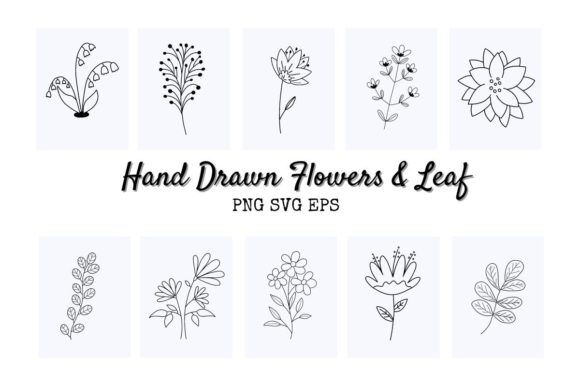
Hand Draw Flower and Leaf Graphics and Illustrations Review
In the world of digital publishing, visual communication is not merely decorative; it is foundational to reader trust and engagement. As a blog designer who has spent years curating assets for high-traffic content sites, I approach every new graphic design asset with a critical eye. We are not just looking for pretty pictures; we are looking for tools that enhance editorial quality, support brand identity, and drive performance metrics like click-through rates. Recently, I evaluated a specific set of Illustrations titled "Hand Draw Flower and Leaf" to determine its viability for real-world website presentation and content publishing workflows.
This review focuses on how this creative design element fits into the daily operations of bloggers, digital marketers, newsletter creators, and small business owners. The goal is to understand whether these assets can elevate a content strategy from amateur to professional, polished, and clickable.
First Impressions: Editorial Mood and Visual Communication
The immediate impression of the "Hand Draw Flower and Leaf" collection is one of organic elegance. Unlike rigid vector graphics or overly stylized corporate icons, these Graphics carry the subtle imperfections and warmth of human creation. This aesthetic creates an editorial mood that feels approachable yet refined. It suggests a lifestyle-focused, feminine, and artistic vibe without veering into childish territory.
For content creators in niches such as wellness, home decor, wedding planning, lifestyle blogging, or creative entrepreneurship, this visual language speaks directly to the audience’s desire for authenticity. In an era where users are inundated with sterile, AI-generated imagery, hand-drawn elements signal care and attention to detail. When a reader encounters these illustrations on a featured image or within a digital guide, they subconsciously perceive the content creator as someone who values craftsmanship. This perception directly impacts reader trust, making them more likely to engage with affiliate links, download lead magnets, or subscribe to newsletters.
Integrating Assets into Real Publishing Workflows
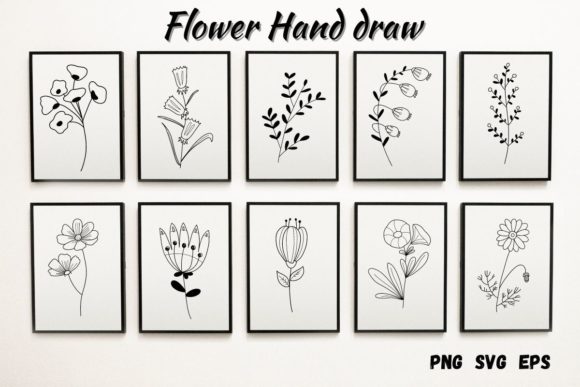
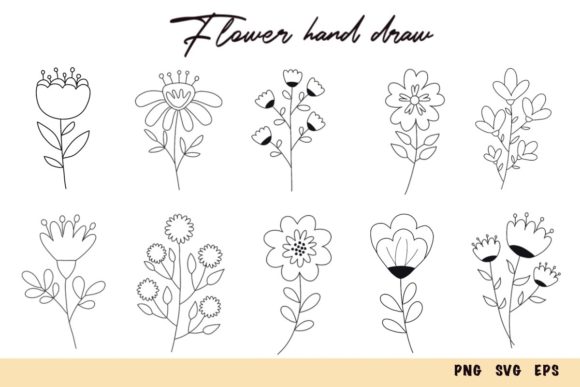
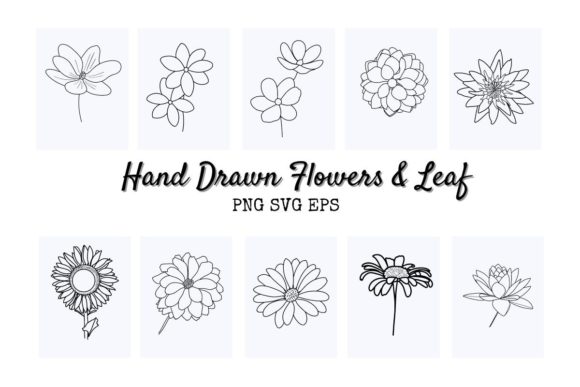
A graphic design asset is only as good as its application. I tested the "Hand Draw Flower and Leaf" set across various stages of a typical content marketing workflow. The product description notes that it includes a set of 10 beautifully hand-drawn flowers and leaves, perfect for invitations, blogs, and crafts, delivered as PNG files with transparent backgrounds. This transparency is crucial for modern web design, allowing seamless integration over varied color schemes.
Blog Featured Images and Social Media Graphics
The most impactful use case I found was in creating Pinterest pins and social media previews. Pinterest is a visual search engine, and the first impression determines visibility. By overlaying headline text on top of these floral accents, I was able to create a clear visual hierarchy that draws the eye immediately to the value proposition. These social media graphics stood out in crowded feeds because they offered a soft, inviting contrast to the bold typography often used in viral content.
Similarly, for blog featured images, these illustrations serve as excellent framing devices. Placing a cluster of leaves in the corner of a header image adds depth without distracting from the main subject. This technique supports content marketing efforts by making articles look cohesive and professionally designed, even when created by solo entrepreneurs using platforms like Canva templates.
Editorial Layouts and Newsletter Headers
Inside long-form articles, breaking up text is essential for readability. Using these Illustrations as editorial accents—such as pull-quote borders or section dividers—adds a layer of sophistication. For newsletter creators, incorporating a subtle floral watermark or header graphic helps establish a consistent brand identity. When subscribers open an email featuring these familiar design assets, it reinforces recognition and loyalty.
Digital Products and Lead Magnets
One of the highest ROI applications for this asset is in digital products. I used these flowers to design covers for downloadable printables, worksheets, and eBooks. Because the background is transparent, the illustrations adapt easily to different page layouts. Whether designing a digital guide for gardeners or a printable planner for busy moms, these design assets provide a versatile foundation. They allow small business owners to create premium-looking printable design materials without hiring expensive custom illustrators.
Performance Benefits: Why Visual Hierarchy Matters
Investing in high-quality web design elements yields tangible results. Here is how the "Hand Draw Flower and Leaf" set supports key performance indicators:
- Stronger First Impression: Professional visuals signal authority. A well-designed page reduces bounce rates by keeping visitors engaged longer.
- Better Click-Through Potential: Eye-catching affiliate marketing visuals that stand out naturally encourage clicks without feeling spammy.
- Improved Reader Trust: Consistent, high-quality aesthetics suggest that the content behind them is also vetted and reliable.
- Category Recognition: Using specific floral motifs for specific categories (e.g., spring blooms for seasonal tips) helps users navigate your site intuitively.
Furthermore, these assets contribute to a stronger visual identity. When every post, pin, and email shares the same artistic DNA, your brand becomes memorable. This consistency is vital for small business branding and establishing a loyal audience base.
Strategic Placement: Where These Assets Shine
To maximize impact, place these Graphics where they can breathe. Hero images benefit from large-scale floral arrangements that set the tone. Article thumbnails work well with single, striking flower elements that complement the text. Category visuals can use repeated patterns of leaves to create texture. For downloadable resources, these illustrations add perceived value, making freebies feel like premium gifts.
Cautionary Notes: Where to Use Carefully
No single asset fits every scenario. There are contexts where "Hand Draw Flower and Leaf" may not be appropriate:
- Small Mobile Thumbnails: On very small screens, intricate details may blur or become indistinguishable. Always test at thumbnail size.
- Text-Heavy Blog Images: If the background is cluttered, the combination of text and complex illustrations can reduce readability.
- Serious Professional Niches: For corporate finance, legal advice, or serious tech reviews, this playful, artistic style might undermine the authority of the message.
- Low-Contrast Backgrounds: Ensure the colors of the flowers pop against your background. Poor contrast leads to a muddy, unprofessional look.
Practical Publisher Notes for Implementation
Before integrating these commercial design assets into your monetized websites or paid content products, consider the following technical checks:
- Screen Testing: Preview the images on both desktop and mobile screens to ensure they scale correctly.
- Typography Pairing: Test the illustrations beside serif fonts for a classic look, sans-serif fonts for modern clarity, and script fonts for elegance. Avoid pairing with handwritten fonts unless you have advanced design skills, as it can look chaotic.
- File Size Optimization: Web performance is critical. Compress these PNG files properly to maintain quality while reducing load times. Slow sites hurt SEO and user experience.
- Licensing Verification: Confirm the commercial license terms. Ensure you are allowed to use these assets on affiliate pages, in ad campaigns, and within digital downloads sold to customers.
- Black and White Check: View the images in grayscale to check for contrast issues. If the design loses its shape in black and white, it may not hold up in all printing or accessibility scenarios.
Ultimately, the "Hand Draw Flower and Leaf" collection is a versatile tool for any content creator seeking to inject warmth and professionalism into their digital presence. By understanding its strengths and limitations, you can leverage these design assets to build a more engaging, trustworthy, and visually compelling online brand.